
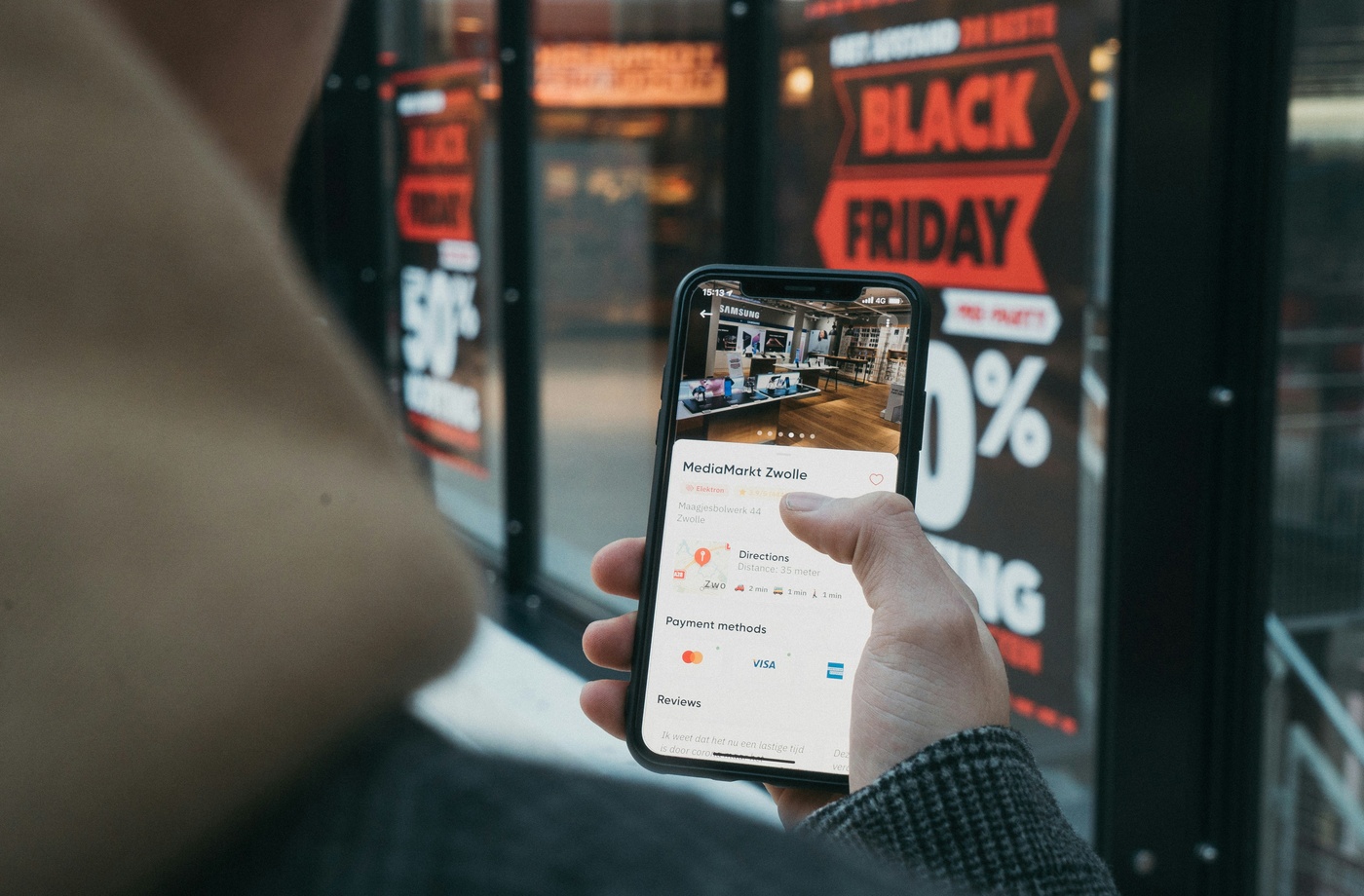
We’ve all been there—seeing a bright red “SALE” sign and feeling the urge to grab the item before the price goes back up. But not every sale is as good as it looks. In fact, some discounts are just clever marketing. If you want to shop smarter at variety stores and beyond, it’s important to understand how to evaluate deals beyond the price tag.
Here’s how to tell whether that “deal” is actually worth your money.
- Know the true baseline price
One of the easiest ways to get misled is by assuming the “original price” listed on the tag is the real market value. Retailers often inflate MSRP to make the discount look bigger. Use tools like:
- Google Shopping to compare prices across online and local retailers.
- CamelCamelCamel for historical Amazon price tracking.
- Honey for checking price history and coupon codes.
These platforms help you determine if the sale price is actually below average.
- Compare unit prices, not just totals
Especially at variety stores, many products come in smaller packages or off-brand formats. Compare cost per ounce, count, or unit rather than total package price. Many stores print unit pricing on shelf tags, but you can also use calculators like the Unit Price Comparison Calculator to quickly assess value.
- Watch out for psychological pricing
Prices ending in .99 or .95 often trigger a sense of urgency or value, but the difference may be minimal. A product marked down from $5.00 to $4.95 may not justify an impulse buy unless you need the item and it fits your budget.
- Look for cashback potential
One way to confirm a sale is truly valuable is by checking if you can earn cashback on top of the discount. For example, apps like Ibotta and Rakuten offer rebates on select items—even sale ones. You can also pay with a gift card from Fluz to unlock additional savings.
If you’re shopping in-store, you can:
- Earn cashback at CVS by paying with a Fluz gift card
- Get cashback at Walgreens on top of store promotions
- Buy a Dollar General gift card online to stack savings and cashback
Combining a sale price with a cashback tool helps you go beyond surface-level discounts.
- Check product quality and reviews
A discount on a low-quality product isn’t a bargain—it’s wasted money. If you’re buying unfamiliar brands, look up reviews on sites like Influenster, Consumer Reports, or even quick Google searches. Quality often matters more than price when it comes to items like electronics, kitchenware, or personal care.
- Ask yourself: would I buy it at full price?
This is a mindset shift. If the answer is no, then even at a discount, you may not really need it. Stick to your list and only use sales to reduce the cost of things you were planning to purchase anyway.
- Don’t forget loyalty rewards
Many stores offer loyalty programs that add value to sale items. For instance:
- CVS ExtraCare offers personalized coupons and member-exclusive prices.
- Walgreens has myWalgreens, which earns you points on most purchases—including discounted items.
When combined with digital coupons and cashback, your savings can multiply.
Conclusion: Think beyond the sign
A smart deal is more than a slashed price tag. It’s a combination of timing, true value, and layered rewards. By comparing prices, checking for cashback options, and evaluating your real need for an item, you can shop smarter—and feel better about every purchase.


